Glidance
Glidance
7 million
American have vision loss and almost 98% of them are not connected to the Blind and Low Vision community!
How can we make them connected?
Creating a connection strategy and a five-year roadmap with 11 concepts to enhance the product.
7 million
American have vision loss and almost 98% of them are not connected to the Blind and Low Vision community!
How can we make them connected?
Creating a connection strategy and a five-year roadmap with 11 concepts to enhance the product.
Year:
2025
Industry:
Health-Tech
Health-Accessibility
Project Type:
Strategy Project
Project Duration:
16 Weeks
Project Overview
Project Overview
This project aims to help Glidance*,
assistive technology startup, to better reach and support blind and low-vision individuals. We focused on understanding BLV’s lived experiences, emotional journeys, and daily challenges. These insights guided the creation of 11 actionable concepts and 8 strategies that help Glidance build trust, expand its support ecosystem, and empower BLV users.
View Concepts
Read More
View Concepts
What is gelidance & glide?
What is gelidance
& glide?
What is gelidance
& glide?
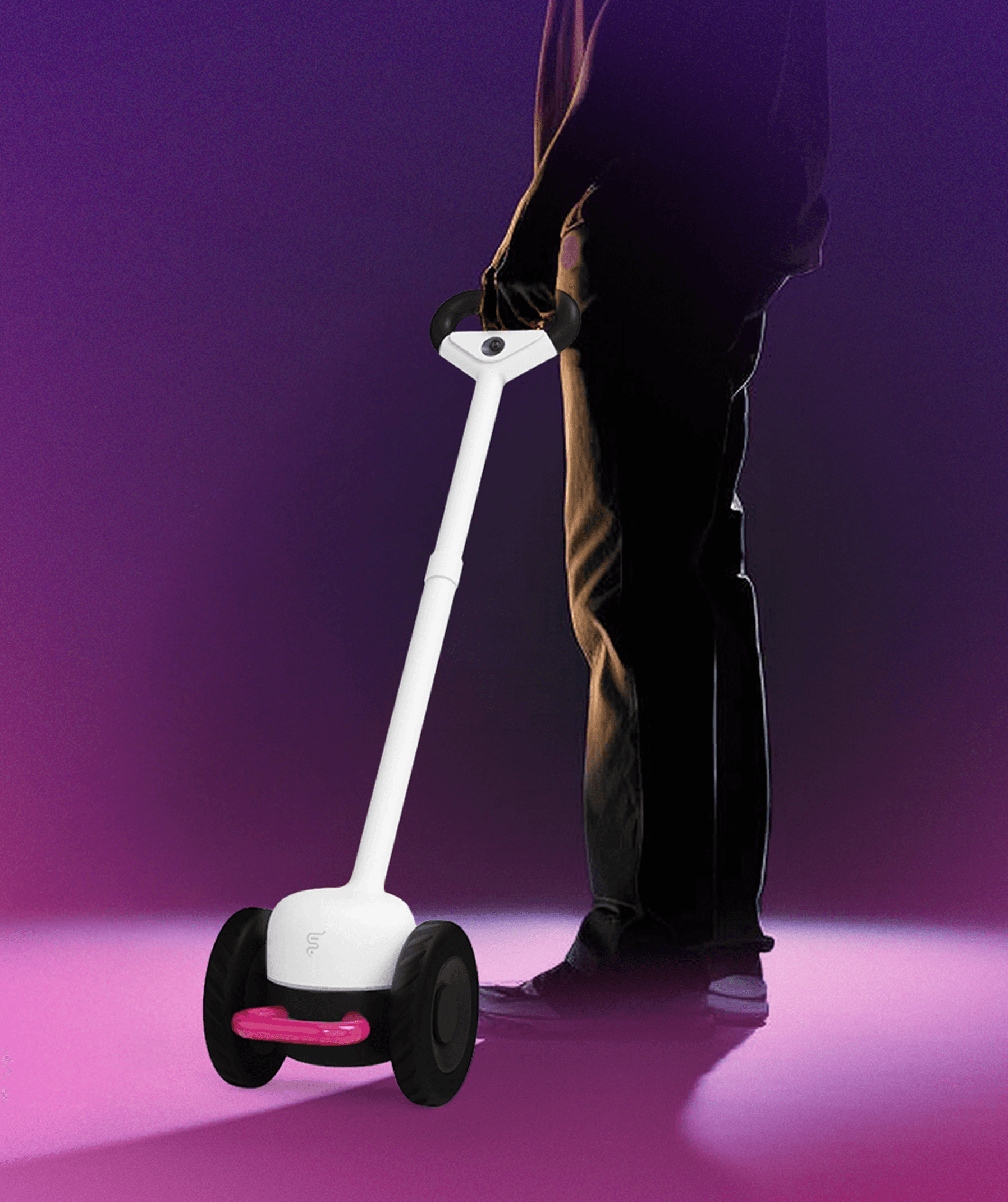
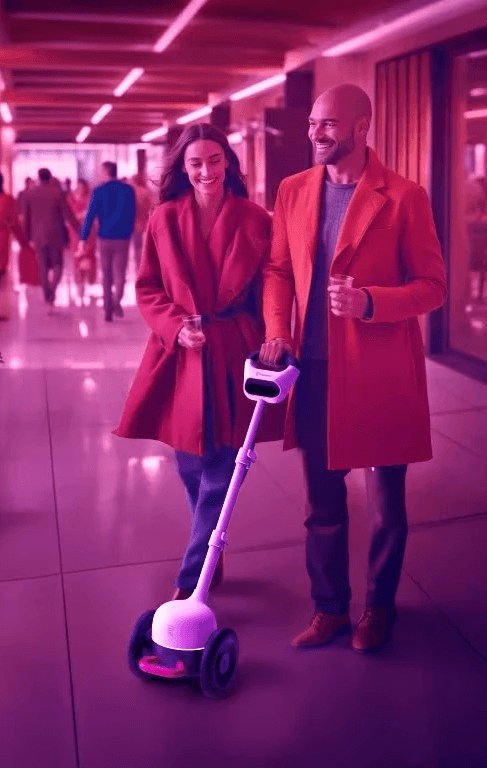
Glidance Inc., an assistive technology company that is developing Glide,
an AI-powered personal robot to aid the independent mobility of blind and visually impaired individuals. Currently in alpha testing, Glide utilizes computer vision,
real-time sensing, and AI to navigate complex environments, adjusting to user speed and avoiding obstacles.
Read More about glidance
Read More about glidance
Read about glidance
Project pathway & my contribution
Project pathway &
my contribution
This graduate project involved collaborating with external stakeholders on a real-world design challenge.
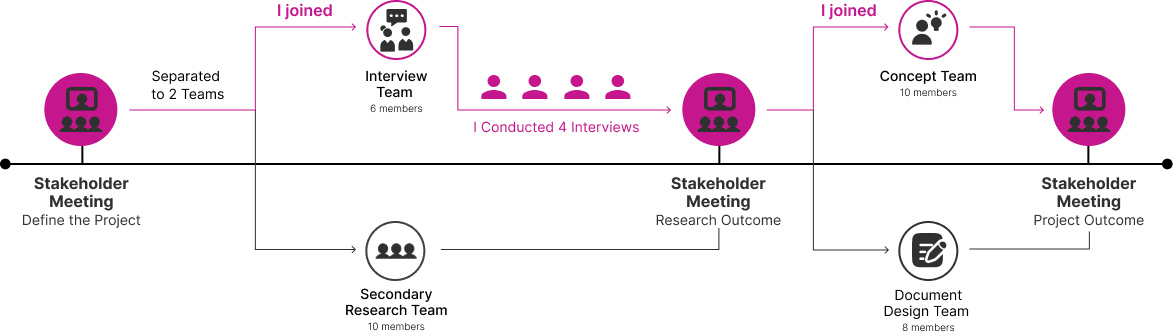
Working within a team of 16 designers that later split into focused sub-teams, I conducted user interviews, synthesized research insights, and contributed to concept generation and development during the ideation phase.
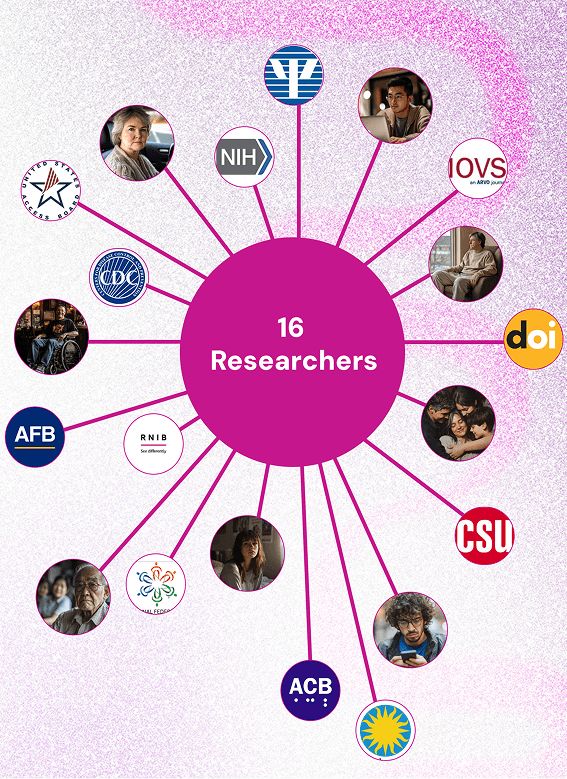
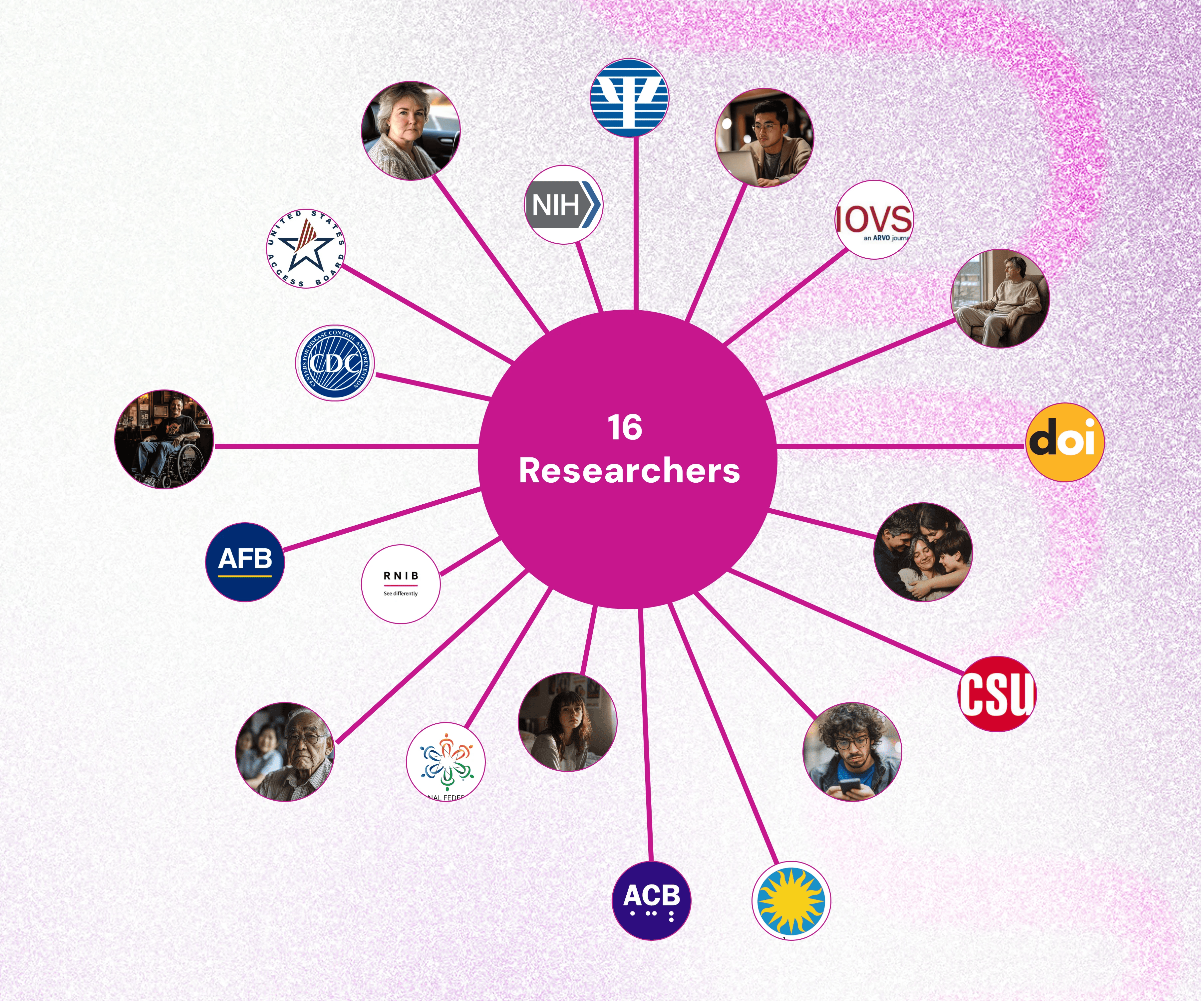
This graduate project involved working with external stakeholders on a real-world design challenge. Our team of 16 designers split into focused sub-teams to address different problem areas, as shown in the map below. I contributed primarily during the research phase by conducting user interviews and synthesizing insights through data analysis. I then carried these insights into the ideation phase, where I helped generate and develop concepts grounded in real user needs.
We examined the BLV community from multiple perspectives AND THEN DEVELOPED.

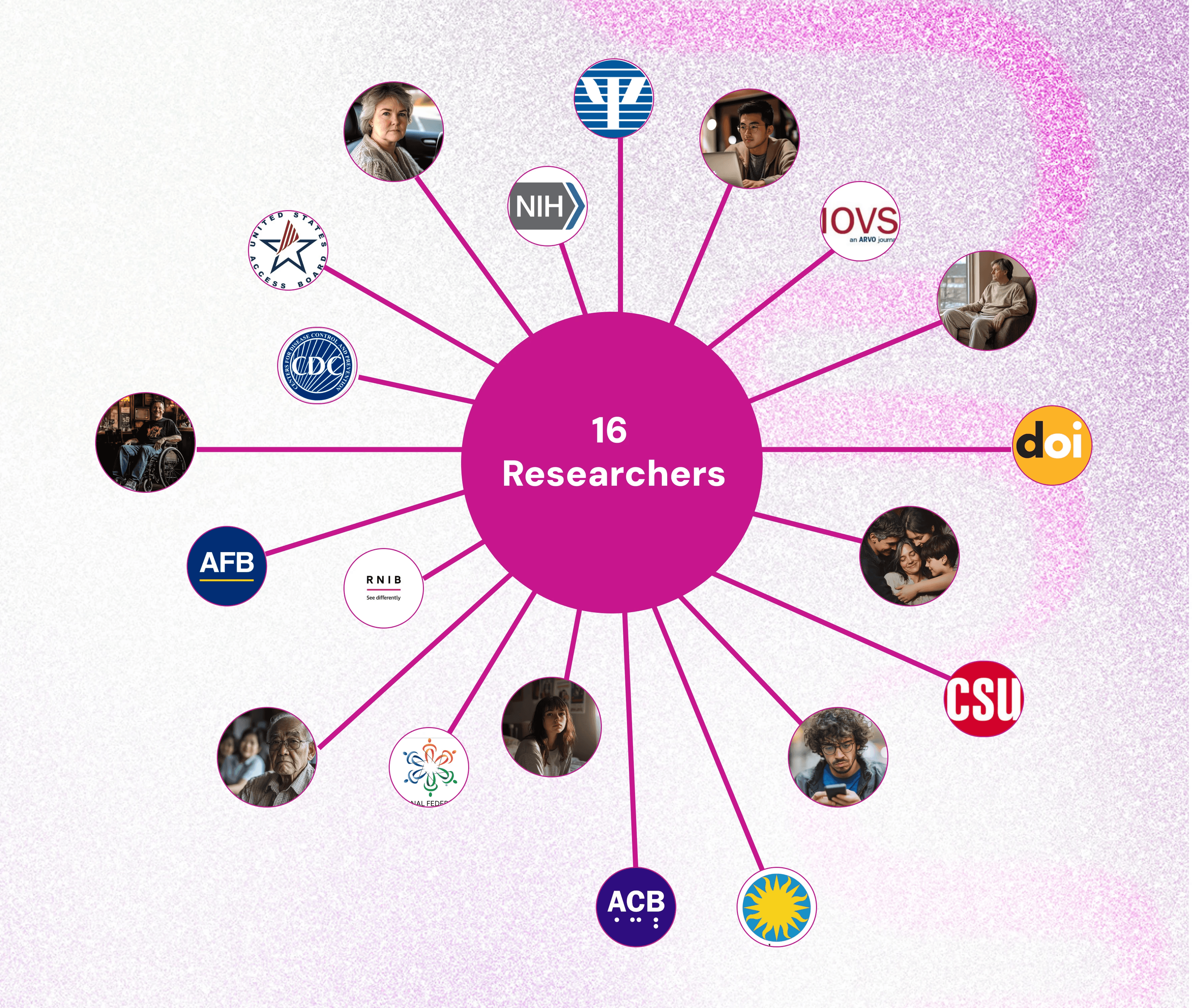
25 Sources
Academic literature, news articles, and medical journals
25 Sources
Academic literature, news articles, and medical journals

15 Interviews
With 10 BLV individuals, 4 sighted support, and 1 topic expert.
15 Interviews
With 10 BLV individuals, 4 sighted support, and 1 topic expert.

4 Interviews
I recruted and condocted 4 interviews with blids individual that was chalenging for me.
4 Interviews
With 10 BLV individuals, 4 sighted support, and 1 topic expert.
4 Interviews
I recruted and condocted 4 interviews with blids individual that was chalenging for me.

8 Barriers & 8 connected strategies
Personal, interpersonal, financial, social, cultural, and more
8 Barriers & 8 strategies
Personal, interpersonal, financial, social, cultural, and more
8 Barriers & 8 connected strategies
Personal, interpersonal, financial, social, cultural, and more

11 concepts
Developed in Three Horizon; Crawl, Walk, Run.
11 concepts
Developed in Three Horizon; Crawl, Walk, Run.
8 barriers prevent the 98% of BLV’s from seeking support!
8 barriers prevent the 98% of
BLV’s from seeking support!
8 barriers prevent the 98% of BLV’s
from seeking support!
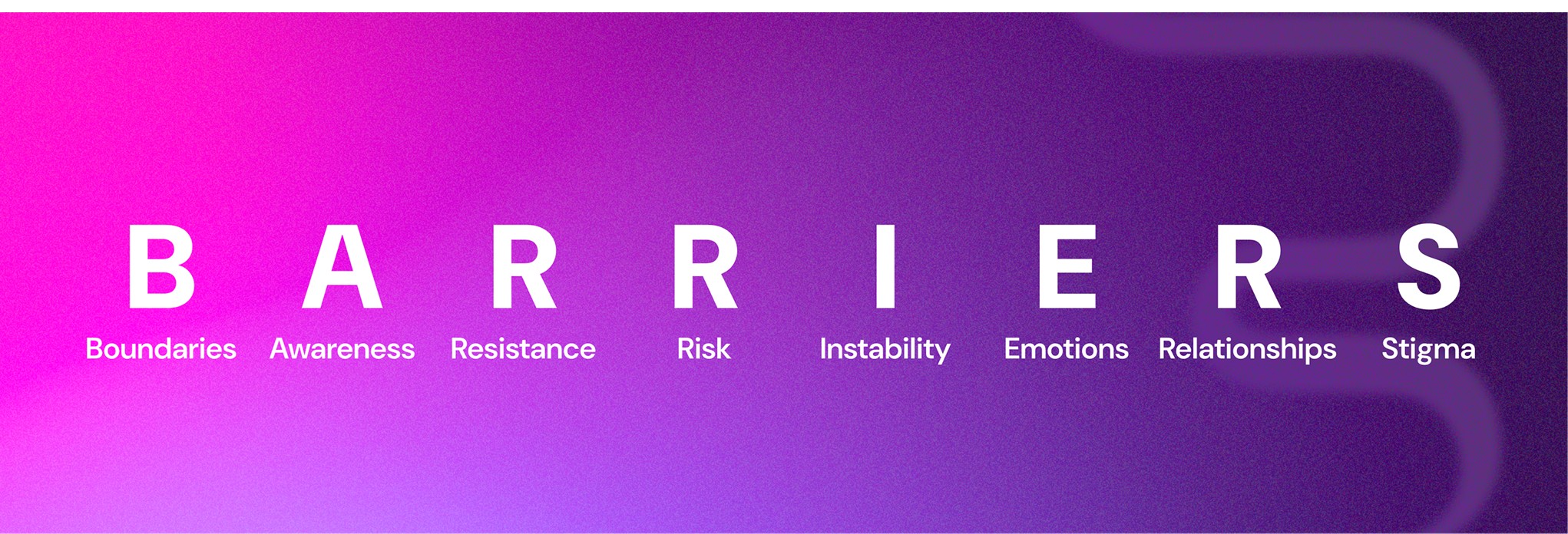
The disconnect between blind and low-vision individuals and the BLV community is not caused by a lack of solutions, but by persistent physical, social, financial, and psychological barriers. Our research organized these challenges into eight core barrier groups.
The disconnect between blind and low-vision individuals and the BLV community is not caused by a lack of solutions, but by persistent physical, social, financial, and psychological barriers.
Our research organized these challenges into eight core barrier groups.
The disconnect between blind and low-vision individuals and the BLV community is not caused by a lack of solutions, but by persistent physical, social, financial, and psychological barriers.
Our research organized these challenges into eight core barrier groups.
Boundaries
Many adults face mobility, physical, or cognitive challenges that can affect coordination, memory, strength, and daily comfort.
Boundaries
Many adults face mobility, physical, or cognitive challenges that can affect coordination, memory, strength, and daily comfort.

Awareness
Many with low vision do not know the full range of available technology. Only 5% of available assistive tech are known to the BLV community.
Awareness
Many with low vision do not know the full range of available technology. Only 5% of available assistive tech are known to the BLV community.

Resistance
BLV individuals resist accepting their vision loss, not just rejecting assistive technology or mobility aids, but also the reality that comes with it.
Resistance
BLV individuals resist accepting their vision loss, not just rejecting assistive technology or mobility aids, but also the reality that comes with it.

Risk
Fear of accidents, unfamiliar tech, or getting lost makes people hesitant to adopt mobility tools and increases their need for reassurance.
Risk
Fear of accidents, unfamiliar tech, or getting lost makes people hesitant to adopt mobility tools and increases their need for reassurance.
Instability
Limited access to support services, training, and assistive tools creates instability for BLV individuals, especially when finances or location make independence difficult.
Instability
Limited access to support services, training, and assistive tools creates instability for BLV individuals, especially when finances or location make independence difficult.
Relationships
Caregiver relationships can unintentionally limit independence, creating stress, guilt, and uncertainty around how much support to provide.
Relationships
Caregiver relationships can unintentionally limit independence, creating stress, guilt, and uncertainty around how much support to provide.

Emotions
Vision loss can deeply impact identity, independence, and emotional well-being, often leading to grief, loneliness, and reduced motivation to seek solutions.
Emotions
Vision loss can deeply impact identity, independence, and emotional well-being, often leading to grief, loneliness, and reduced motivation to seek solutions.
Stigma
Fear of being labeled or pitied leads many BLV individuals to hide their vision loss and reject visible assistive tools.
Stigma
Fear of being labeled or pitied leads many BLV individuals to hide their vision loss and reject visible assistive tools.
Different Barriers Shape Different Experiences
Different Barriers Shape
Different Experiences
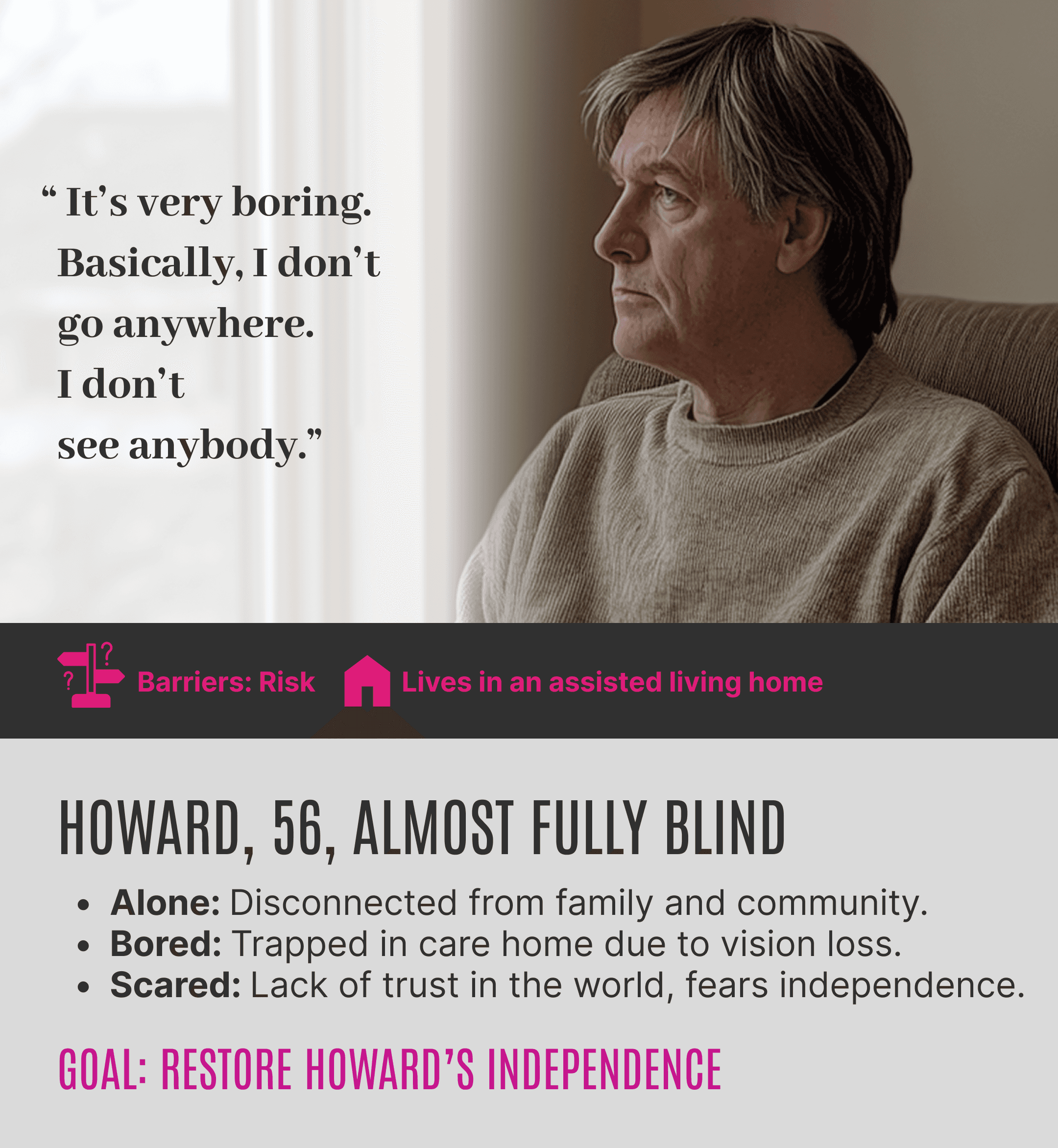
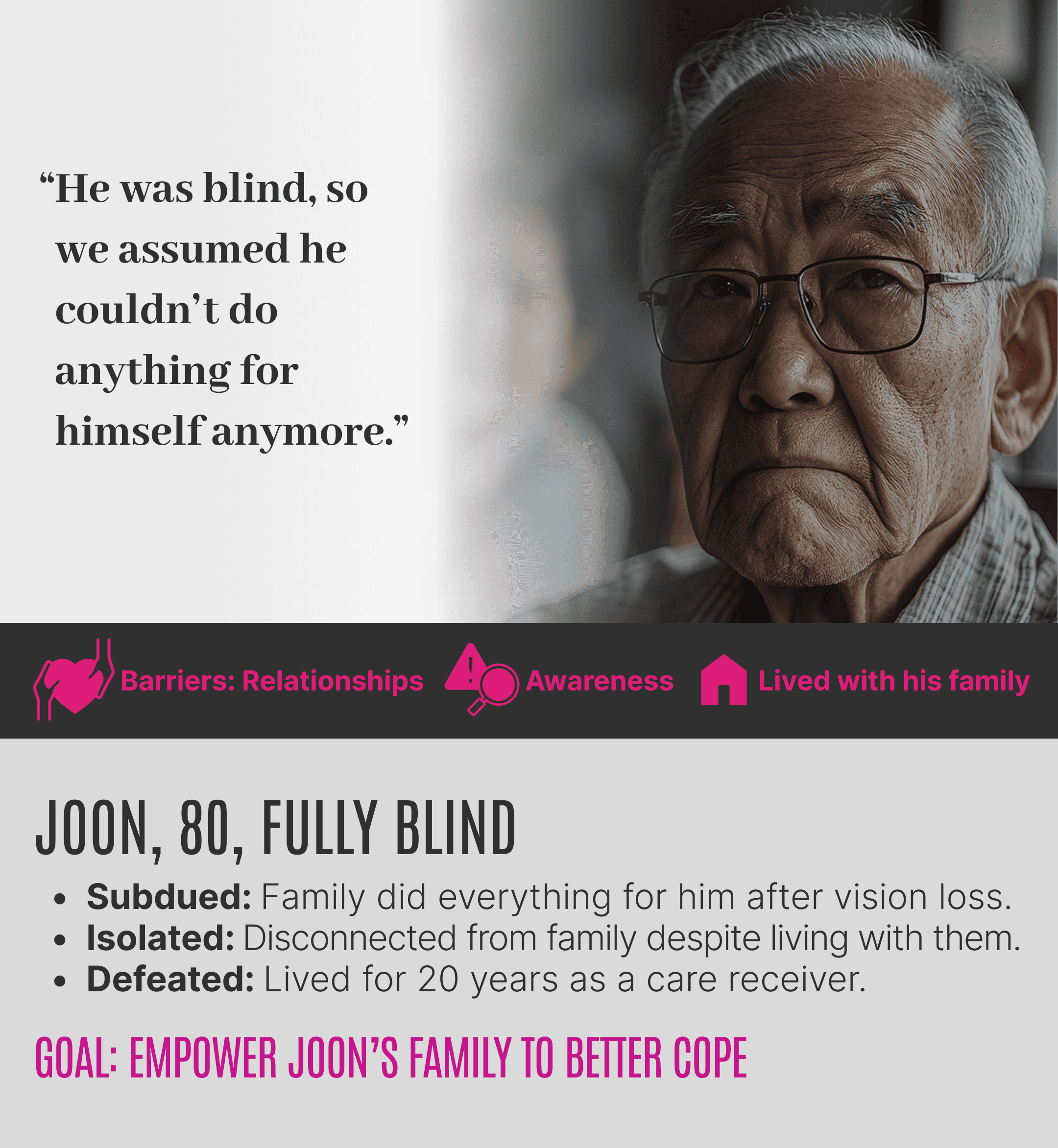
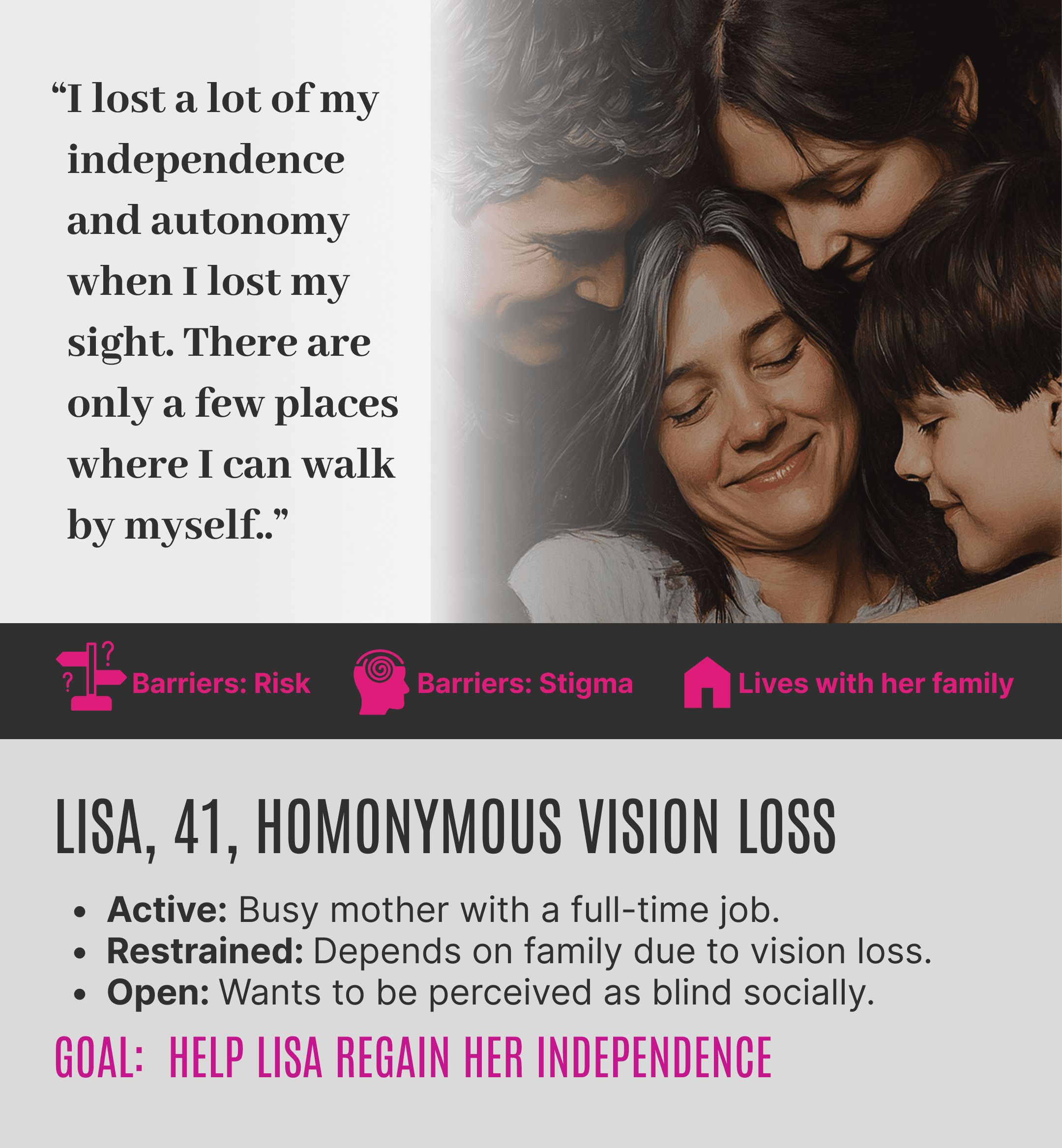
Grounded in qualitative research, these personas synthesize diverse lived experiences of blindness and vision loss, highlighting the social and familial barriers that shape daily life. They were used to support shared understanding across the team, while design decisions remained rooted in direct research insights.
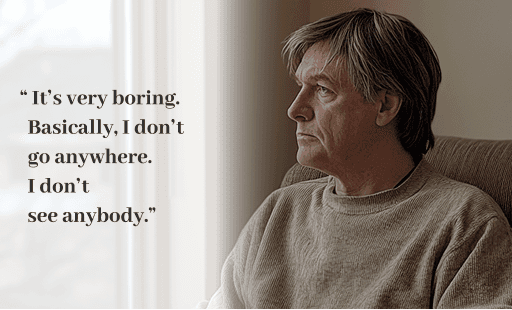

Barriers: Risk

Lived with his family

Barriers: Risk
Lives in an assisted living home
Howard, 56 almost fully blind
Howard, 56 almost fully blind
Bored: Trapped in care home due to vision loss.
Scared: Lack of trust in the world, fears independence.
Alone: Disconnected from family and community.
Bored: Trapped in care home due to vision loss.
Scared: Lack of trust in the world, fears independence.
Alone: Disconnected from family and community.
Goal: Restore Howard’s independence
Goal: Restore Howard’s independence
Barriers: Relationships

Barriers: Awareness
Lived with his family
Howard, 56 almost fully blind
Bored: Trapped in care home due to vision loss.
Scared: Lack of trust in the world, fears independence.
Alone: Disconnected from family and community.
Goal: Empower Joon’s family to better cope
Barriers: Relationships
Barriers: Awareness
Lived with his family
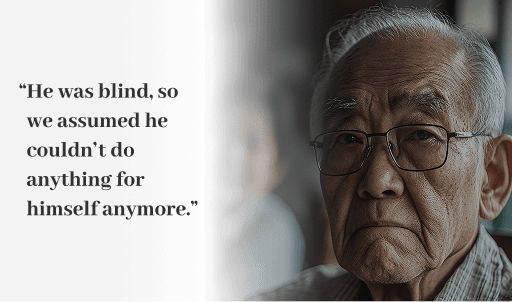
Joon, 80, Fully blind
Subdued: Family did everything for him after vision loss.
Isolated: Disconnected from family despite living with them.
Defeated: Lived for 20 years as a care receiver.
Goal: Restore Howard’s independence

Barriers: Risk

Barriers: Stigma
Lived with her family

Barriers: Risk
Barriers: Stigma
Lived with her family
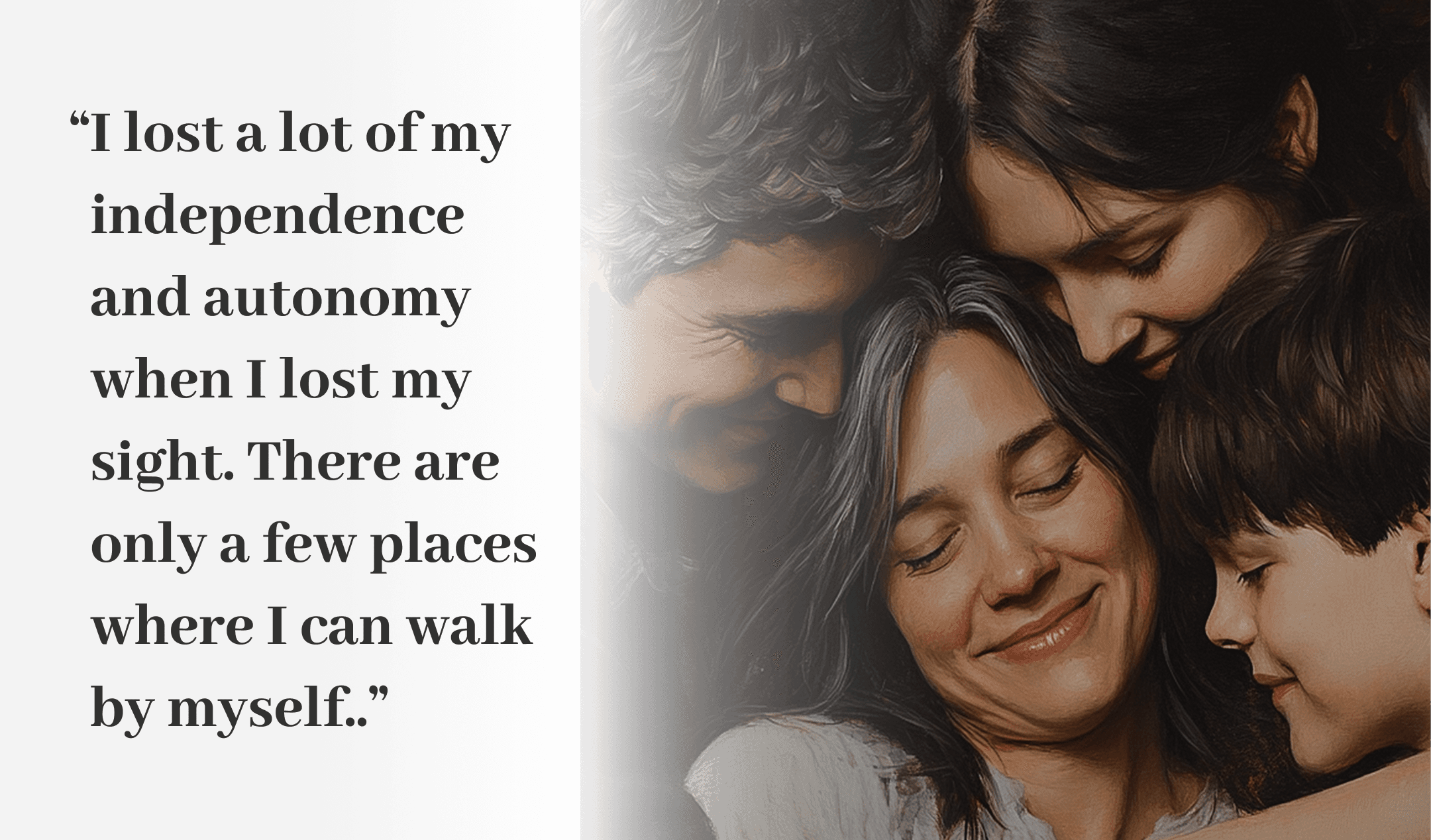
Lisa, 41, Homonymous Vision Loss
Lisa, 41, Homonymous Vision Loss
Active: Busy mother with a full-time job.
Restrained: Depends on family due to vision loss.
Open: Wants to be perceived as blind socially.
Active: Busy mother with a full-time job.
Restrained: Depends on family due to vision loss.
Open: Wants to be perceived as blind socially.
Goal: Help Lisa regain her independence
Goal: Help Lisa regain her independence
Barriers: Relationships
Barriers: Awareness
Lived with his family
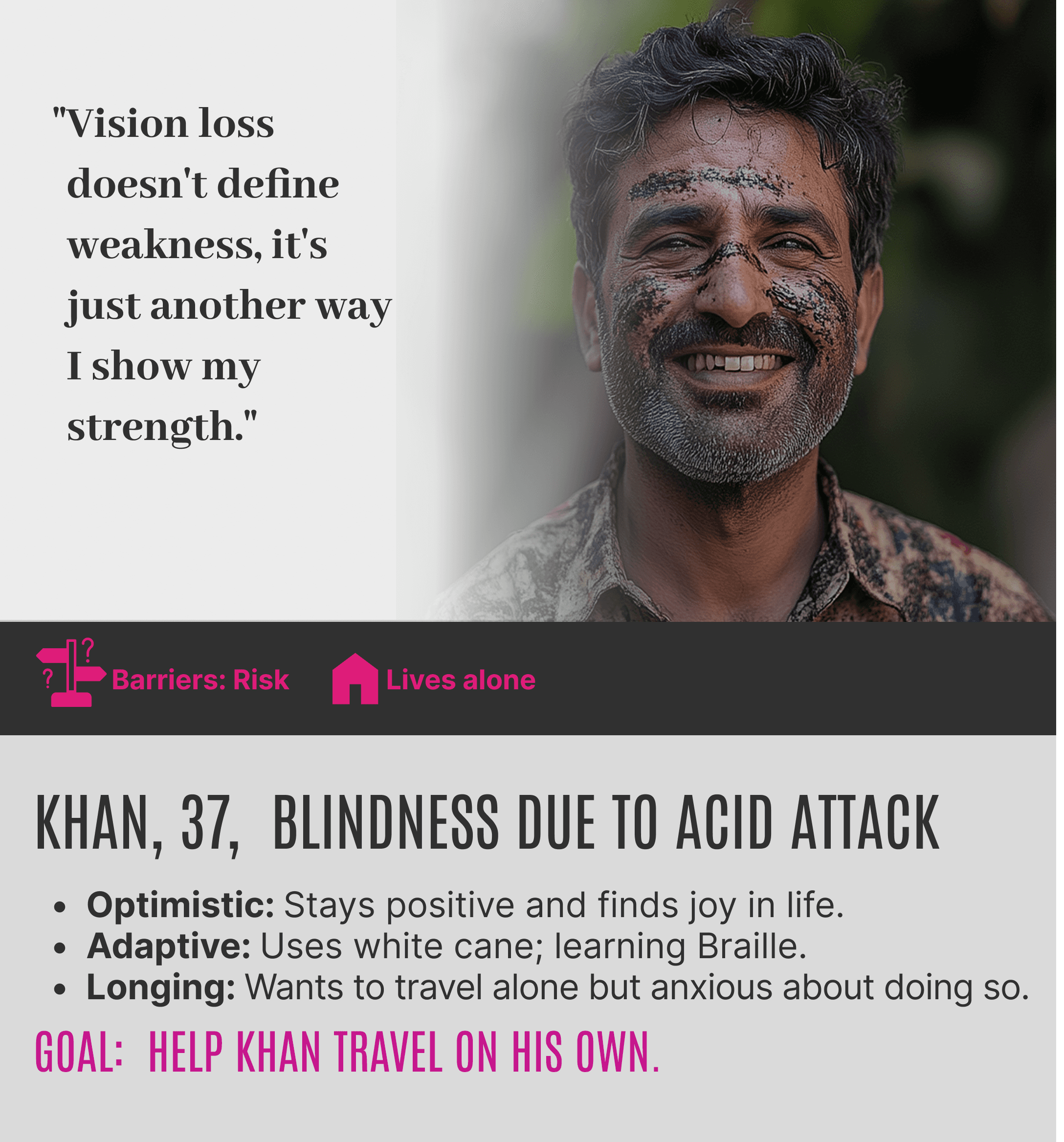
Khan, 37, acid attack blindness
Optimistic: Stays positive and finds joy in life.
Adaptive: Uses white cane; learning Braille.
Longing: Wants to travel alone but anxious about doing so.
Goal: Help Khan travel on his own.
Barriers: Risk
Lives alone
Khan, 37, acid attack blindness
Optimistic: Stays positive and finds joy in life.
Adaptive: Uses white cane; learning Braille.
Longing: Wants to travel alone but anxious about doing so.
Goal: Help Khan travel on his own.
We examined the BLV community from multiple
perspectives AND THEN DEVELOPED.
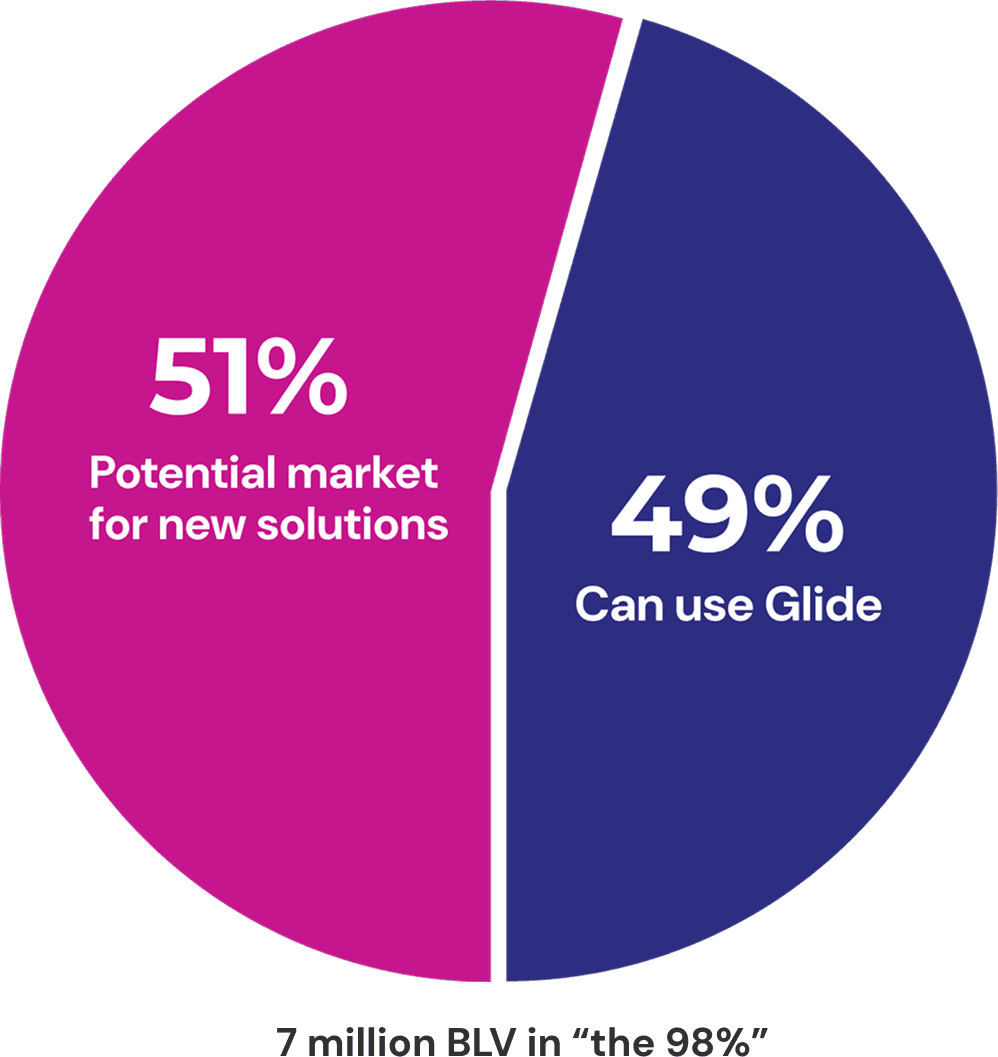
What If the Percentage of BLVs Not Connected to the Community Isn’t 98%?
Research indicates that the target number for Glide, may be lower due to overlap of disabilities.
Approx. 3 million BLV individuals experience mobility issues that seriously impact their ability to walk with Glide.
Approx. 1 million BLV individuals have cognitive difficulties that would make it challenging for them to use Glide.
If we can’t reach 51% with Glide, what can we reach them with?
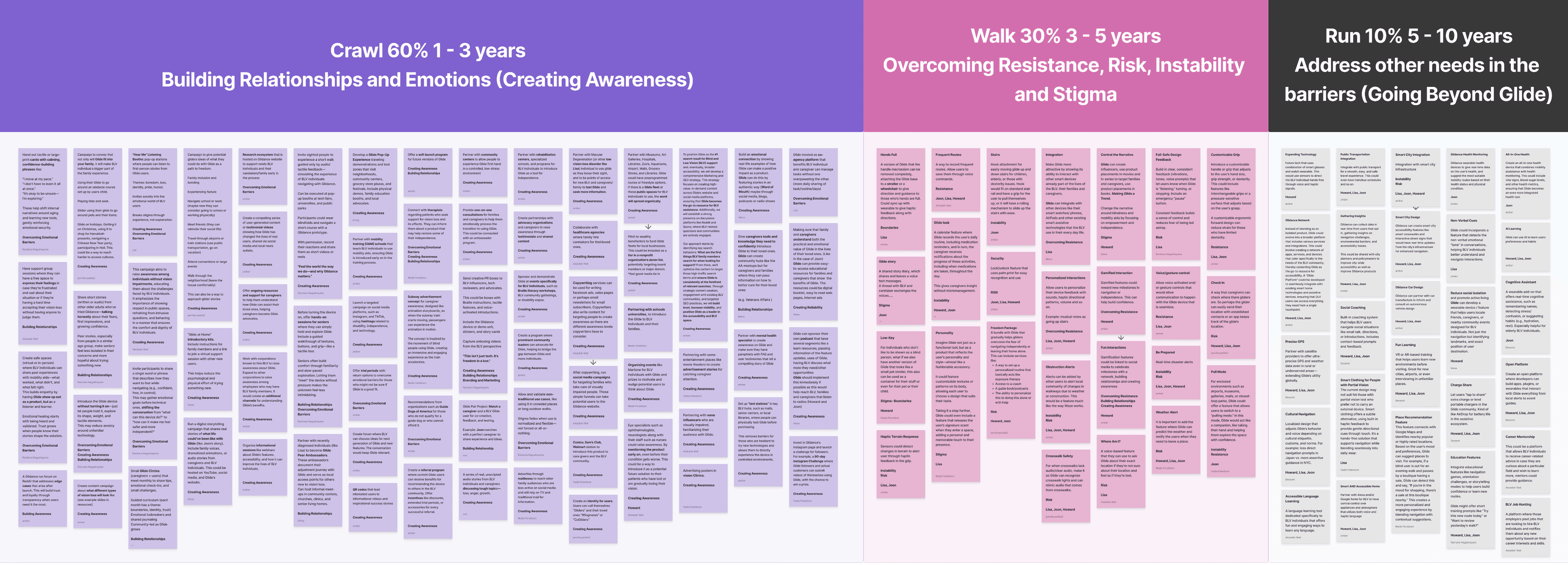
100+ ideas generated. 11 concepts developed.
We generated 100 ideas and developed these into 11 concepts. You can view all 100 ideas in the Appendix.
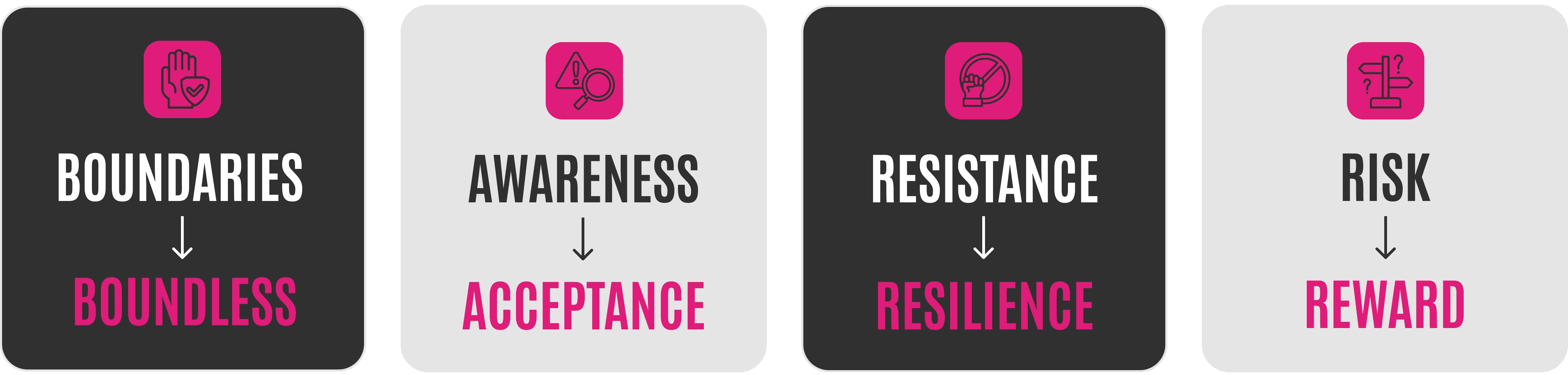
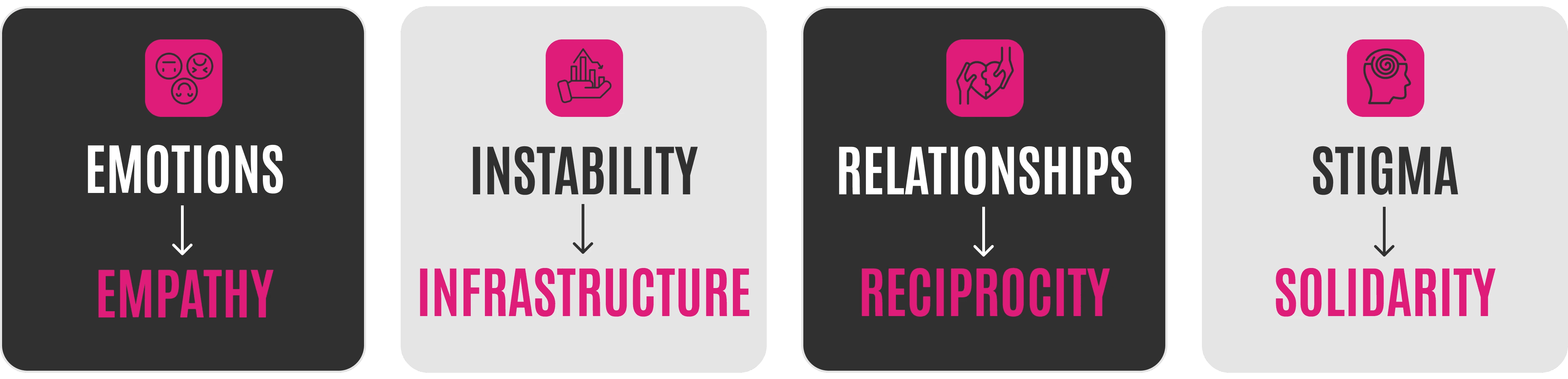
8 strategies transform barriers into bridges.
We have come up with 8 strategies to combat the 8 barriers - these strategies help create bridges that BLV individuals can use to gain independence.
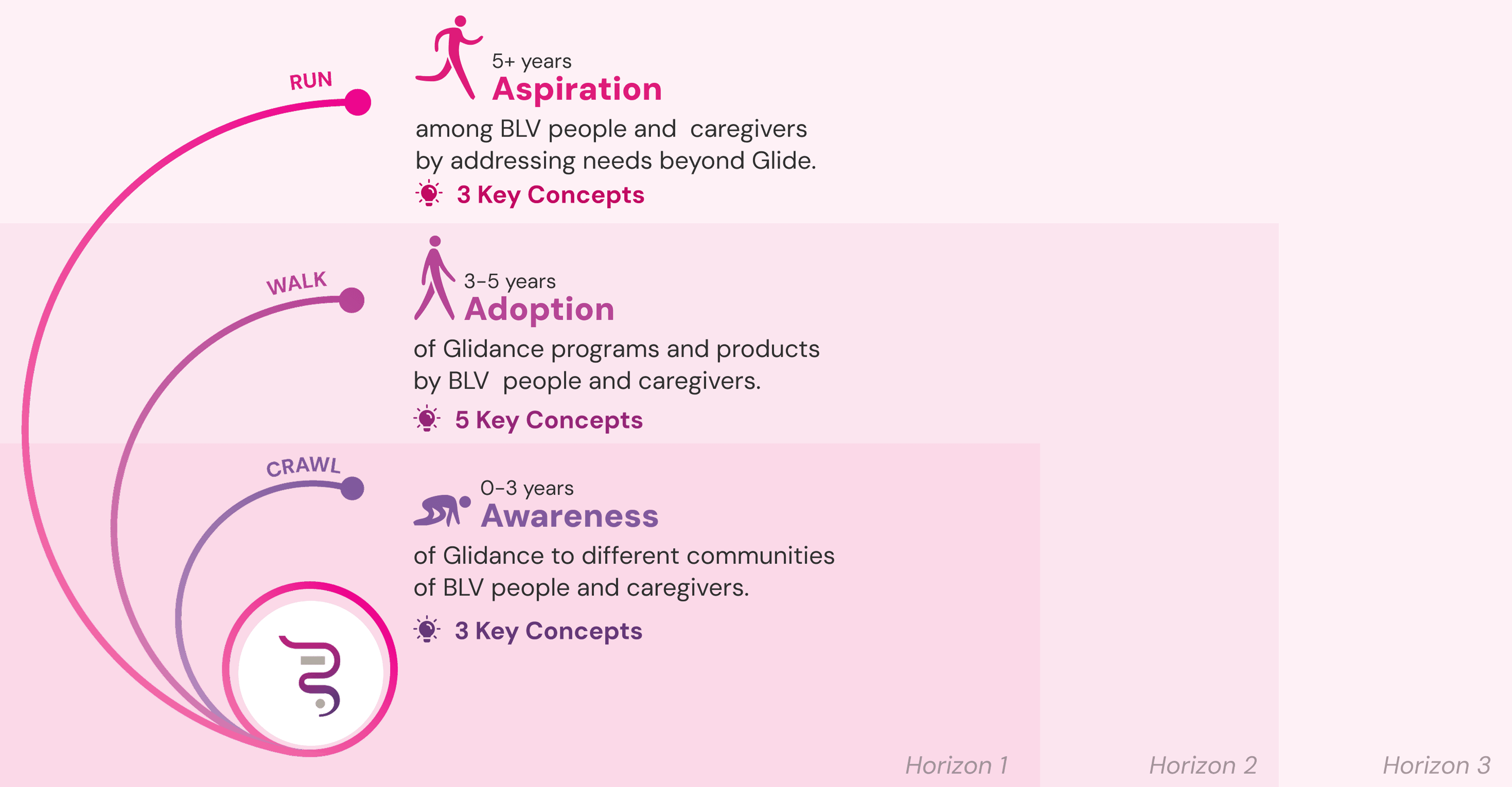
Designing a 5-Year Roadmap to Scale Impact for the BLV Community
This visual outlines Glidance’s multi-year strategy for supporting the Blind and Low-Vision (BLV) community. It shows how Glidance scales impact over time from raising awareness to driving adoption and ultimately supporting broader aspirations within the BLV community.
What was my contribution?
Through collaborative workshops, we generated over +100 ideas. Glidence's product owner and product designer then evaluated each concept for feasibility and long-term impact, narrowing it all down to 11 concepts worth developing.
Out of 100+ ideas, 3 of my concepts were selected for development and all three landed in Horizon 3 (Aspiration), the phase focused on shaping Glidence's long-term vision beyond its core product. Due to confidentiality, only one concept is shared here.
Through collaborative workshops, we generated over +100 ideas. Glidence's product owner and product designer then evaluated each concept for feasibility and long-term impact, narrowing it all down to 11 concepts worth developing.
Out of 100+ ideas, 3 of my concepts were selected for development and all three landed in Horizon 3 (Aspiration), the phase focused on shaping Glidence's long-term vision beyond its core product. Due to confidentiality, only one concept is shared here.
1 out of 11 concepts : Hands Free
Run 5+ years I Barriers: Boundries
Anna shifts to hands-free mode with Glide, cooking, strolling with her grandchild, and shopping independently.

Considerations
Glide Base can be attached to strollers, wheelchairs, shopping carts, and walkers.
Glide Glasses have sensor technology to guide Anna to the items she needs.
Glide Glasses have bone conducting technology to facilitate ease of use and to help Gliders who have hearing issues.
Glide Glasses can use barcodes and RFID to help shoppers distinguish items in complex retail environments quickly.
Glidance could pilot with a partner, like H-E-B, to host an app for ordering grocery items in a way that is easy to access for BLV individuals.
Business impact for the Glidance
Expanded TAM
By reaching blind and low-vision individuals who are not currently using navigation aids, Glidance connects with a much larger and previously underserved audience.
Strategy development
Transformed 8 BLV community barriers into 8 scalable strategies to expand market reach, supported by a 5-year roadmap for inclusive, sustainable growth.
what I learned?
1.
Community unlocks real users
2.
User conversations drive better design
3.
Accessibility is non-negotiable
3.
Designing in a large team requires clarity
1.
Community unlocks real users
2.
User conversations drive better design
3.
Accessibility is non-negotiable
3.
Designing in a large team requires clarity
Glidance
Glidance
7 million
American have vision loss and almost 98% of them are not connected to the Blind and Low Vision community!
How can we make them connected?
Creating a connection strategy and a five-year roadmap with 11 concepts to enhance the product.
7 million
American have vision loss and almost 98% of them are not connected to the Blind and Low Vision community!
How can we make them connected?
Creating a connection strategy and a five-year roadmap with 11 concepts to enhance the product.
Year:
2025
Industry:
Health-Tech
Health-Accessibility
Project Type:
Strategy Project
Project Duration:
16 Weeks
Project Overview
Project Overview
This project aims to help Glidance*,
assistive technology startup, to better reach and support blind and low-vision individuals. We focused on understanding BLV’s lived experiences, emotional journeys, and daily challenges. These insights guided the creation of 11 actionable concepts and 8 strategies that help Glidance build trust, expand its support ecosystem, and empower BLV users.
View Concepts
Read More
View Concepts
What is gelidance & glide?
What is gelidance
& glide?
What is gelidance
& glide?
Glidance Inc., an assistive technology company that is developing Glide,
an AI-powered personal robot to aid the independent mobility of blind and visually impaired individuals. Currently in alpha testing, Glide utilizes computer vision,
real-time sensing, and AI to navigate complex environments, adjusting to user speed and avoiding obstacles.
Read More about glidance
Read More about glidance
Read about glidance
Project pathway & my contribution
Project pathway &
my contribution
This graduate project involved collaborating with external stakeholders on a real-world design challenge.
Working within a team of 16 designers that later split into focused sub-teams, I conducted user interviews, synthesized research insights, and contributed to concept generation and development during the ideation phase.
This graduate project involved working with external stakeholders on a real-world design challenge. Our team of 16 designers split into focused sub-teams to address different problem areas, as shown in the map below. I contributed primarily during the research phase by conducting user interviews and synthesizing insights through data analysis. I then carried these insights into the ideation phase, where I helped generate and develop concepts grounded in real user needs.
We examined the BLV community from multiple perspectives AND THEN DEVELOPED.
25 Sources
Academic literature, news articles, and medical journals
25 Sources
Academic literature, news articles, and medical journals
15 Interviews
With 10 BLV individuals, 4 sighted support, and 1 topic expert.
15 Interviews
With 10 BLV individuals, 4 sighted support, and 1 topic expert.
4 Interviews
I recruted and condocted 4 interviews with blids individual that was chalenging for me.
4 Interviews
With 10 BLV individuals, 4 sighted support, and 1 topic expert.
4 Interviews
I recruted and condocted 4 interviews with blids individual that was chalenging for me.
8 Barriers & 8 connected strategies
Personal, interpersonal, financial, social, cultural, and more
8 Barriers & 8 strategies
Personal, interpersonal, financial, social, cultural, and more
8 Barriers & 8 connected strategies
Personal, interpersonal, financial, social, cultural, and more
11 concepts
Developed in Three Horizon; Crawl, Walk, Run.
11 concepts
Developed in Three Horizon; Crawl, Walk, Run.
8 barriers prevent the 98% of BLV’s from seeking support!
8 barriers prevent the 98% of
BLV’s from seeking support!
8 barriers prevent the 98% of BLV’s
from seeking support!
The disconnect between blind and low-vision individuals and the BLV community is not caused by a lack of solutions, but by persistent physical, social, financial, and psychological barriers. Our research organized these challenges into eight core barrier groups.
The disconnect between blind and low-vision individuals and the BLV community is not caused by a lack of solutions, but by persistent physical, social, financial, and psychological barriers.
Our research organized these challenges into eight core barrier groups.
The disconnect between blind and low-vision individuals and the BLV community is not caused by a lack of solutions, but by persistent physical, social, financial, and psychological barriers.
Our research organized these challenges into eight core barrier groups.
Boundaries
Many adults face mobility, physical, or cognitive challenges that can affect coordination, memory, strength, and daily comfort.
Boundaries
Many adults face mobility, physical, or cognitive challenges that can affect coordination, memory, strength, and daily comfort.
Awareness
Many with low vision do not know the full range of available technology. Only 5% of available assistive tech are known to the BLV community.
Awareness
Many with low vision do not know the full range of available technology. Only 5% of available assistive tech are known to the BLV community.
Resistance
BLV individuals resist accepting their vision loss, not just rejecting assistive technology or mobility aids, but also the reality that comes with it.
Resistance
BLV individuals resist accepting their vision loss, not just rejecting assistive technology or mobility aids, but also the reality that comes with it.
Risk
Fear of accidents, unfamiliar tech, or getting lost makes people hesitant to adopt mobility tools and increases their need for reassurance.
Risk
Fear of accidents, unfamiliar tech, or getting lost makes people hesitant to adopt mobility tools and increases their need for reassurance.
Instability
Limited access to support services, training, and assistive tools creates instability for BLV individuals, especially when finances or location make independence difficult.
Instability
Limited access to support services, training, and assistive tools creates instability for BLV individuals, especially when finances or location make independence difficult.
Relationships
Caregiver relationships can unintentionally limit independence, creating stress, guilt, and uncertainty around how much support to provide.
Relationships
Caregiver relationships can unintentionally limit independence, creating stress, guilt, and uncertainty around how much support to provide.
Emotions
Vision loss can deeply impact identity, independence, and emotional well-being, often leading to grief, loneliness, and reduced motivation to seek solutions.
Emotions
Vision loss can deeply impact identity, independence, and emotional well-being, often leading to grief, loneliness, and reduced motivation to seek solutions.
Stigma
Fear of being labeled or pitied leads many BLV individuals to hide their vision loss and reject visible assistive tools.
Stigma
Fear of being labeled or pitied leads many BLV individuals to hide their vision loss and reject visible assistive tools.
Different Barriers Shape Different Experiences
Different Barriers Shape
Different Experiences
Grounded in qualitative research, these personas synthesize diverse lived experiences of blindness and vision loss, highlighting the social and familial barriers that shape daily life. They were used to support shared understanding across the team, while design decisions remained rooted in direct research insights.
Barriers: Risk
Lived with his family
Barriers: Risk
Lives in an assisted living home
Howard, 56 almost fully blind
Howard, 56 almost fully blind
Bored: Trapped in care home due to vision loss.
Scared: Lack of trust in the world, fears independence.
Alone: Disconnected from family and community.
Bored: Trapped in care home due to vision loss.
Scared: Lack of trust in the world, fears independence.
Alone: Disconnected from family and community.
Goal: Restore Howard’s independence
Goal: Restore Howard’s independence
Barriers: Relationships
Barriers: Awareness
Lived with his family
Howard, 56 almost fully blind
Bored: Trapped in care home due to vision loss.
Scared: Lack of trust in the world, fears independence.
Alone: Disconnected from family and community.
Goal: Empower Joon’s family to better cope
Barriers: Relationships
Barriers: Awareness
Lived with his family
Joon, 80, Fully blind
Subdued: Family did everything for him after vision loss.
Isolated: Disconnected from family despite living with them.
Defeated: Lived for 20 years as a care receiver.
Goal: Restore Howard’s independence
Barriers: Risk
Barriers: Stigma
Lived with her family
Barriers: Risk
Barriers: Stigma
Lived with her family
Lisa, 41, Homonymous Vision Loss
Lisa, 41, Homonymous Vision Loss
Active: Busy mother with a full-time job.
Restrained: Depends on family due to vision loss.
Open: Wants to be perceived as blind socially.
Active: Busy mother with a full-time job.
Restrained: Depends on family due to vision loss.
Open: Wants to be perceived as blind socially.
Goal: Help Lisa regain her independence
Goal: Help Lisa regain her independence
Barriers: Relationships
Barriers: Awareness
Lived with his family
Khan, 37, acid attack blindness
Optimistic: Stays positive and finds joy in life.
Adaptive: Uses white cane; learning Braille.
Longing: Wants to travel alone but anxious about doing so.
Goal: Help Khan travel on his own.
Barriers: Risk
Lives alone
Khan, 37, acid attack blindness
Optimistic: Stays positive and finds joy in life.
Adaptive: Uses white cane; learning Braille.
Longing: Wants to travel alone but anxious about doing so.
Goal: Help Khan travel on his own.
We examined the BLV community from multiple
perspectives AND THEN DEVELOPED.
What If the Percentage of BLVs Not Connected to the Community Isn’t 98%?
Research indicates that the target number for Glide, may be lower due to overlap of disabilities.
Approx. 3 million BLV individuals experience mobility issues that seriously impact their ability to walk with Glide.
Approx. 1 million BLV individuals have cognitive difficulties that would make it challenging for them to use Glide.
If we can’t reach 51% with Glide, what can we reach them with?
100+ ideas generated. 11 concepts developed.
We generated 100 ideas and developed these into 11 concepts. You can view all 100 ideas in the Appendix.
8 strategies transform barriers into bridges.
We have come up with 8 strategies to combat the 8 barriers - these strategies help create bridges that BLV individuals can use to gain independence.
Designing a 5-Year Roadmap to Scale Impact for the BLV Community
This visual outlines Glidance’s multi-year strategy for supporting the Blind and Low-Vision (BLV) community. It shows how Glidance scales impact over time from raising awareness to driving adoption and ultimately supporting broader aspirations within the BLV community.
What was my contribution?
Through collaborative workshops, we generated over +100 ideas. Glidence's product owner and product designer then evaluated each concept for feasibility and long-term impact, narrowing it all down to 11 concepts worth developing.
Out of 100+ ideas, 3 of my concepts were selected for development and all three landed in Horizon 3 (Aspiration), the phase focused on shaping Glidence's long-term vision beyond its core product. Due to confidentiality, only one concept is shared here.
Through collaborative workshops, we generated over +100 ideas. Glidence's product owner and product designer then evaluated each concept for feasibility and long-term impact, narrowing it all down to 11 concepts worth developing.
Out of 100+ ideas, 3 of my concepts were selected for development and all three landed in Horizon 3 (Aspiration), the phase focused on shaping Glidence's long-term vision beyond its core product. Due to confidentiality, only one concept is shared here.
1 out of 11 concepts : Hands Free
Run 5+ years I Barriers: Boundries
Anna shifts to hands-free mode with Glide, cooking, strolling with her grandchild, and shopping independently.
Considerations
Glide Base can be attached to strollers, wheelchairs, shopping carts, and walkers.
Glide Glasses have sensor technology to guide Anna to the items she needs.
Glide Glasses have bone conducting technology to facilitate ease of use and to help Gliders who have hearing issues.
Glide Glasses can use barcodes and RFID to help shoppers distinguish items in complex retail environments quickly.
Glidance could pilot with a partner, like H-E-B, to host an app for ordering grocery items in a way that is easy to access for BLV individuals.
Business impact for the Glidance
Expanded TAM
By reaching blind and low-vision individuals who are not currently using navigation aids, Glidance connects with a much larger and previously underserved audience.
Strategy development
Transformed 8 BLV community barriers into 8 scalable strategies to expand market reach, supported by a 5-year roadmap for inclusive, sustainable growth.
what I learned?
1.
Community unlocks real users
2.
User conversations drive better design
3.
Accessibility is non-negotiable
3.
Designing in a large team requires clarity
1.
Community unlocks real users
2.
User conversations drive better design
3.
Accessibility is non-negotiable
3.
Designing in a large team requires clarity
Glidance
Glidance
7 million
American have vision loss and almost 98% of them are not connected to the Blind and Low Vision community!
How can we make them connected?
Creating a connection strategy and a five-year roadmap with 11 concepts to enhance the product.
7 million
American have vision loss and almost 98% of them are not connected to the Blind and Low Vision community!
How can we make them connected?
Creating a connection strategy and a five-year roadmap with 11 concepts to enhance the product.
Year:
2025
Industry:
Health-Tech
Health-Accessibility
Project Type:
Strategy Project
Project Duration:
16 Weeks
Project Overview
Project Overview
This project aims to help Glidance*,
assistive technology startup, to better reach and support blind and low-vision individuals. We focused on understanding BLV’s lived experiences, emotional journeys, and daily challenges. These insights guided the creation of 11 actionable concepts and 8 strategies that help Glidance build trust, expand its support ecosystem, and empower BLV users.
View Concepts
Read More
View Concepts
What is gelidance & glide?
What is gelidance
& glide?
What is gelidance
& glide?
Glidance Inc., an assistive technology company that is developing Glide,
an AI-powered personal robot to aid the independent mobility of blind and visually impaired individuals. Currently in alpha testing, Glide utilizes computer vision,
real-time sensing, and AI to navigate complex environments, adjusting to user speed and avoiding obstacles.
Read More about glidance
Read More about glidance
Read about glidance
Project pathway & my contribution
Project pathway &
my contribution
This graduate project involved collaborating with external stakeholders on a real-world design challenge.
Working within a team of 16 designers that later split into focused sub-teams, I conducted user interviews, synthesized research insights, and contributed to concept generation and development during the ideation phase.
This graduate project involved working with external stakeholders on a real-world design challenge. Our team of 16 designers split into focused sub-teams to address different problem areas, as shown in the map below. I contributed primarily during the research phase by conducting user interviews and synthesizing insights through data analysis. I then carried these insights into the ideation phase, where I helped generate and develop concepts grounded in real user needs.
We examined the BLV community from multiple perspectives AND THEN DEVELOPED.
25 Sources
Academic literature, news articles, and medical journals
25 Sources
Academic literature, news articles, and medical journals
15 Interviews
With 10 BLV individuals, 4 sighted support, and 1 topic expert.
15 Interviews
With 10 BLV individuals, 4 sighted support, and 1 topic expert.
4 Interviews
I recruted and condocted 4 interviews with blids individual that was chalenging for me.
4 Interviews
With 10 BLV individuals, 4 sighted support, and 1 topic expert.
4 Interviews
I recruted and condocted 4 interviews with blids individual that was chalenging for me.
8 Barriers & 8 connected strategies
Personal, interpersonal, financial, social, cultural, and more
8 Barriers & 8 strategies
Personal, interpersonal, financial, social, cultural, and more
8 Barriers & 8 connected strategies
Personal, interpersonal, financial, social, cultural, and more
11 concepts
Developed in Three Horizon; Crawl, Walk, Run.
11 concepts
Developed in Three Horizon; Crawl, Walk, Run.
8 barriers prevent the 98% of BLV’s from seeking support!
8 barriers prevent the 98% of
BLV’s from seeking support!
8 barriers prevent the 98% of BLV’s
from seeking support!
The disconnect between blind and low-vision individuals and the BLV community is not caused by a lack of solutions, but by persistent physical, social, financial, and psychological barriers. Our research organized these challenges into eight core barrier groups.
The disconnect between blind and low-vision individuals and the BLV community is not caused by a lack of solutions, but by persistent physical, social, financial, and psychological barriers.
Our research organized these challenges into eight core barrier groups.
The disconnect between blind and low-vision individuals and the BLV community is not caused by a lack of solutions, but by persistent physical, social, financial, and psychological barriers.
Our research organized these challenges into eight core barrier groups.
Boundaries
Many adults face mobility, physical, or cognitive challenges that can affect coordination, memory, strength, and daily comfort.
Boundaries
Many adults face mobility, physical, or cognitive challenges that can affect coordination, memory, strength, and daily comfort.
Awareness
Many with low vision do not know the full range of available technology. Only 5% of available assistive tech are known to the BLV community.
Awareness
Many with low vision do not know the full range of available technology. Only 5% of available assistive tech are known to the BLV community.
Resistance
BLV individuals resist accepting their vision loss, not just rejecting assistive technology or mobility aids, but also the reality that comes with it.
Resistance
BLV individuals resist accepting their vision loss, not just rejecting assistive technology or mobility aids, but also the reality that comes with it.
Risk
Fear of accidents, unfamiliar tech, or getting lost makes people hesitant to adopt mobility tools and increases their need for reassurance.
Risk
Fear of accidents, unfamiliar tech, or getting lost makes people hesitant to adopt mobility tools and increases their need for reassurance.
Instability
Limited access to support services, training, and assistive tools creates instability for BLV individuals, especially when finances or location make independence difficult.
Instability
Limited access to support services, training, and assistive tools creates instability for BLV individuals, especially when finances or location make independence difficult.
Relationships
Caregiver relationships can unintentionally limit independence, creating stress, guilt, and uncertainty around how much support to provide.
Relationships
Caregiver relationships can unintentionally limit independence, creating stress, guilt, and uncertainty around how much support to provide.
Emotions
Vision loss can deeply impact identity, independence, and emotional well-being, often leading to grief, loneliness, and reduced motivation to seek solutions.
Emotions
Vision loss can deeply impact identity, independence, and emotional well-being, often leading to grief, loneliness, and reduced motivation to seek solutions.
Stigma
Fear of being labeled or pitied leads many BLV individuals to hide their vision loss and reject visible assistive tools.
Stigma
Fear of being labeled or pitied leads many BLV individuals to hide their vision loss and reject visible assistive tools.
Different Barriers Shape Different Experiences
Different Barriers Shape
Different Experiences
Grounded in qualitative research, these personas synthesize diverse lived experiences of blindness and vision loss, highlighting the social and familial barriers that shape daily life. They were used to support shared understanding across the team, while design decisions remained rooted in direct research insights.
Barriers: Risk
Lived with his family
Barriers: Risk
Lives in an assisted living home
Howard, 56 almost fully blind
Howard, 56 almost fully blind
Bored: Trapped in care home due to vision loss.
Scared: Lack of trust in the world, fears independence.
Alone: Disconnected from family and community.
Bored: Trapped in care home due to vision loss.
Scared: Lack of trust in the world, fears independence.
Alone: Disconnected from family and community.
Goal: Restore Howard’s independence
Goal: Restore Howard’s independence
Barriers: Relationships
Barriers: Awareness
Lived with his family
Howard, 56 almost fully blind
Bored: Trapped in care home due to vision loss.
Scared: Lack of trust in the world, fears independence.
Alone: Disconnected from family and community.
Goal: Empower Joon’s family to better cope
Barriers: Relationships
Barriers: Awareness
Lived with his family
Joon, 80, Fully blind
Subdued: Family did everything for him after vision loss.
Isolated: Disconnected from family despite living with them.
Defeated: Lived for 20 years as a care receiver.
Goal: Restore Howard’s independence
Barriers: Risk
Barriers: Stigma
Lived with her family
Barriers: Risk
Barriers: Stigma
Lived with her family
Lisa, 41, Homonymous Vision Loss
Lisa, 41, Homonymous Vision Loss
Active: Busy mother with a full-time job.
Restrained: Depends on family due to vision loss.
Open: Wants to be perceived as blind socially.
Active: Busy mother with a full-time job.
Restrained: Depends on family due to vision loss.
Open: Wants to be perceived as blind socially.
Goal: Help Lisa regain her independence
Goal: Help Lisa regain her independence
Barriers: Relationships
Barriers: Awareness
Lived with his family
Khan, 37, acid attack blindness
Optimistic: Stays positive and finds joy in life.
Adaptive: Uses white cane; learning Braille.
Longing: Wants to travel alone but anxious about doing so.
Goal: Help Khan travel on his own.
Barriers: Risk
Lives alone
Khan, 37, acid attack blindness
Optimistic: Stays positive and finds joy in life.
Adaptive: Uses white cane; learning Braille.
Longing: Wants to travel alone but anxious about doing so.
Goal: Help Khan travel on his own.
We examined the BLV community from multiple
perspectives AND THEN DEVELOPED.
What If the Percentage of BLVs Not Connected to the Community Isn’t 98%?
Research indicates that the target number for Glide, may be lower due to overlap of disabilities.
Approx. 3 million BLV individuals experience mobility issues that seriously impact their ability to walk with Glide.
Approx. 1 million BLV individuals have cognitive difficulties that would make it challenging for them to use Glide.
If we can’t reach 51% with Glide, what can we reach them with?
100+ ideas generated. 11 concepts developed.
We generated 100 ideas and developed these into 11 concepts. You can view all 100 ideas in the Appendix.
8 strategies transform barriers into bridges.
We have come up with 8 strategies to combat the 8 barriers - these strategies help create bridges that BLV individuals can use to gain independence.
Designing a 5-Year Roadmap to Scale Impact for the BLV Community
This visual outlines Glidance’s multi-year strategy for supporting the Blind and Low-Vision (BLV) community. It shows how Glidance scales impact over time from raising awareness to driving adoption and ultimately supporting broader aspirations within the BLV community.
What was my contribution?
Through collaborative workshops, we generated over +100 ideas. Glidence's product owner and product designer then evaluated each concept for feasibility and long-term impact, narrowing it all down to 11 concepts worth developing.
Out of 100+ ideas, 3 of my concepts were selected for development and all three landed in Horizon 3 (Aspiration), the phase focused on shaping Glidence's long-term vision beyond its core product. Due to confidentiality, only one concept is shared here.
Through collaborative workshops, we generated over +100 ideas. Glidence's product owner and product designer then evaluated each concept for feasibility and long-term impact, narrowing it all down to 11 concepts worth developing.
Out of 100+ ideas, 3 of my concepts were selected for development and all three landed in Horizon 3 (Aspiration), the phase focused on shaping Glidence's long-term vision beyond its core product. Due to confidentiality, only one concept is shared here.
1 out of 11 concepts : Hands Free
Run 5+ years I Barriers: Boundries
Anna shifts to hands-free mode with Glide, cooking, strolling with her grandchild, and shopping independently.
Considerations
Glide Base can be attached to strollers, wheelchairs, shopping carts, and walkers.
Glide Glasses have sensor technology to guide Anna to the items she needs.
Glide Glasses have bone conducting technology to facilitate ease of use and to help Gliders who have hearing issues.
Glide Glasses can use barcodes and RFID to help shoppers distinguish items in complex retail environments quickly.
Glidance could pilot with a partner, like H-E-B, to host an app for ordering grocery items in a way that is easy to access for BLV individuals.
Business impact for the Glidance
Expanded TAM
By reaching blind and low-vision individuals who are not currently using navigation aids, Glidance connects with a much larger and previously underserved audience.
Strategy development
Transformed 8 BLV community barriers into 8 scalable strategies to expand market reach, supported by a 5-year roadmap for inclusive, sustainable growth.